What is a game jam?
A game jam is basically a hackathon for game developers — mostly indie devs who want to sharpen their skills and meet new people. You take part either as a solo dev or as a team, and build a small game within a set time limit. You’re also given a single theme, and your game idea has to be built around it.
The theme can be almost anything — from a single object’s name to a full quote. Having the same theme doesn’t mean everyone makes the same game; that’s exactly where your creativity gets tested. A theme can be interpreted in countless ways. For example, if the theme is “color”, one dev might make a game about coloring a character, while another builds a game where you play as one color fighting other colors. 😅 So a theme-based jam pushes devs to think outside the box and come up with something original.
Most game jams are hosted on Itch. Some run for weeks, while others last just one or two days. GMTK is one of the most famous jams on Itch. There’s usually no requirement to enter, which makes jams a great way for any beginner game dev to test the waters — and most of them even hand out prizes to the top three winners.
GDD Game Jam — 2024
We took part in the Game Design and Development (GDD) Bear Jam, organized by UC Berkeley twice a year. It’s a 45-hour jam, and we joined the November 2024 round (mostly because that’s when all our members were free 😅).
Since it was our first game jam, we didn’t have much of a plan. The only thing we decided in advance was to keep the idea small enough to actually finish in 45 hours — already a big challenge on its own. The theme is only revealed after the jam starts, so there was no way to lock in a game idea beforehand.
Theme Reveal
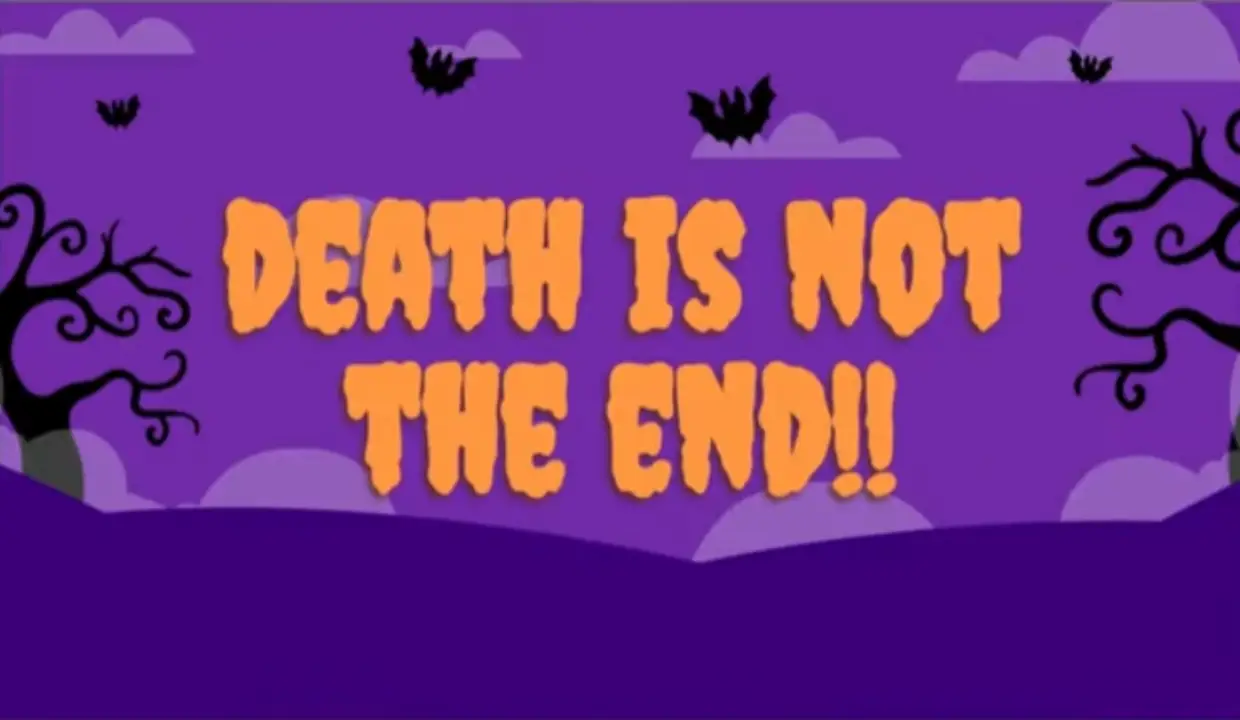
When the jam finally started, the theme dropped: “Death is not the end.”
Coincidentally, we had just released our game True Destination, which was a great fit for the theme. But since you can’t submit a pre-built game, we had to come up with something new.
The new idea was “Spook or Treat.” Mechanically it’s a tower-defense game, but the story is that you play as a ghost on Halloween, trying to stop kids from grabbing candy by using different objects around the house.
The idea was only loosely tied to the theme — the mechanics weren’t really about “death” or “endings” — but given the time crunch, we figured it would be easy to finish in 45 hours while still being fun. So we stuck with it. We also went with a pixel-art style, since that’s what we were best at.
Development
For development we had to prepare the art, the music, and of course the mechanics. Using outside art and music was allowed as long as you credited it in the submission, but we tried to make everything ourselves — the whole point was to test our skills. So our team of five (two artists, two devs, and one composer) spent around 20–24 hours getting the base of the game working: a room full of objects you can use to scare off kids, who arrive in waves hunting for candy.
We initially thought about having multiple rooms as levels, but there wasn’t enough time to design them all, so we settled on one. We also reused the kid art from our True Destination game to save time. 😅 That’s when it really hit us how hard it is to build a game under time pressure. After another 15–20 hours we had a much better gameplay loop, and it was genuinely fun to play.
But by then we were running on low energy. There was still one pending feature — a score system and leaderboard that would have made the game more competitive — and around 4–5 hours left on the clock. We were just too exhausted 😵💫 to push through, so we called it a day and submitted the game without it.
You can try the submitted game here.
Review & Result
After the 45 hours were up, the next day they kicked off a review stream for each game, playing and streaming every submission on Itch. If you want to watch our game’s stream, check it out below:
We also checked out the other submissions and were amazed at how much people can build in just 45 hours. After all the reviews, they finally announced the results. Unfortunately we didn’t make the top three — but we definitely learned a lot about how game jams work.
We also realized we need to improve our development speed, so we can finish games faster and pack in more fun features. Either way, we had a blast watching our game get played and streamed, so overall the jam was a great experience. We’ll definitely join more jams in the future — and next time, aim to win.
We also put together a full dev-log video of the whole jam — you can watch it at the top of this post, or right here.